


Three years ago we set out to build a procurement platform with AI at the core. It worked. And then, before the product was even three years old, we tore the whole thing down and rebuilt it.
The question we get asked more than any other is what “AI-native” actually means. It is on just about every company website now, so it is a fair thing to be skeptical about. Our answer happens to be the same as our reason for rebuilding.
It means everything is a moving target based on how fast things have evolved. That is the part that has made building Levelpath the most fun either of us has had in this industry.
When we started, ChatGPT had not even had its moment yet. Since then the pace has been absurd. Claude Code. Cursor. Codex. AI agents holding down real jobs. Thousands of individual breakthroughs, most of them arriving faster than anyone could absorb them. There is no way to bolt that much change onto an existing platform, not even one that has not had its third birthday.
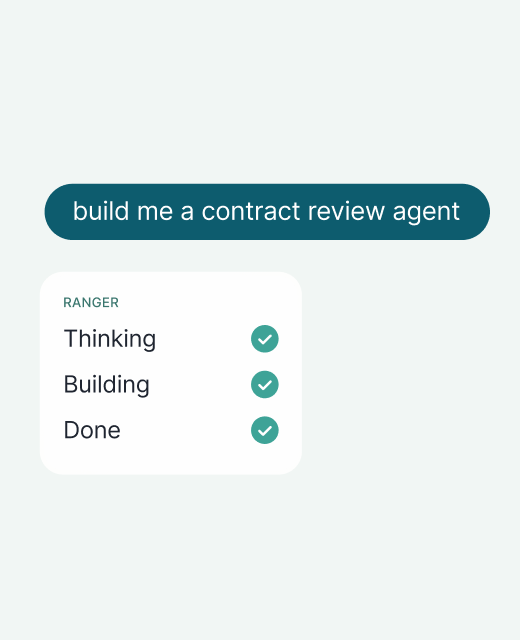
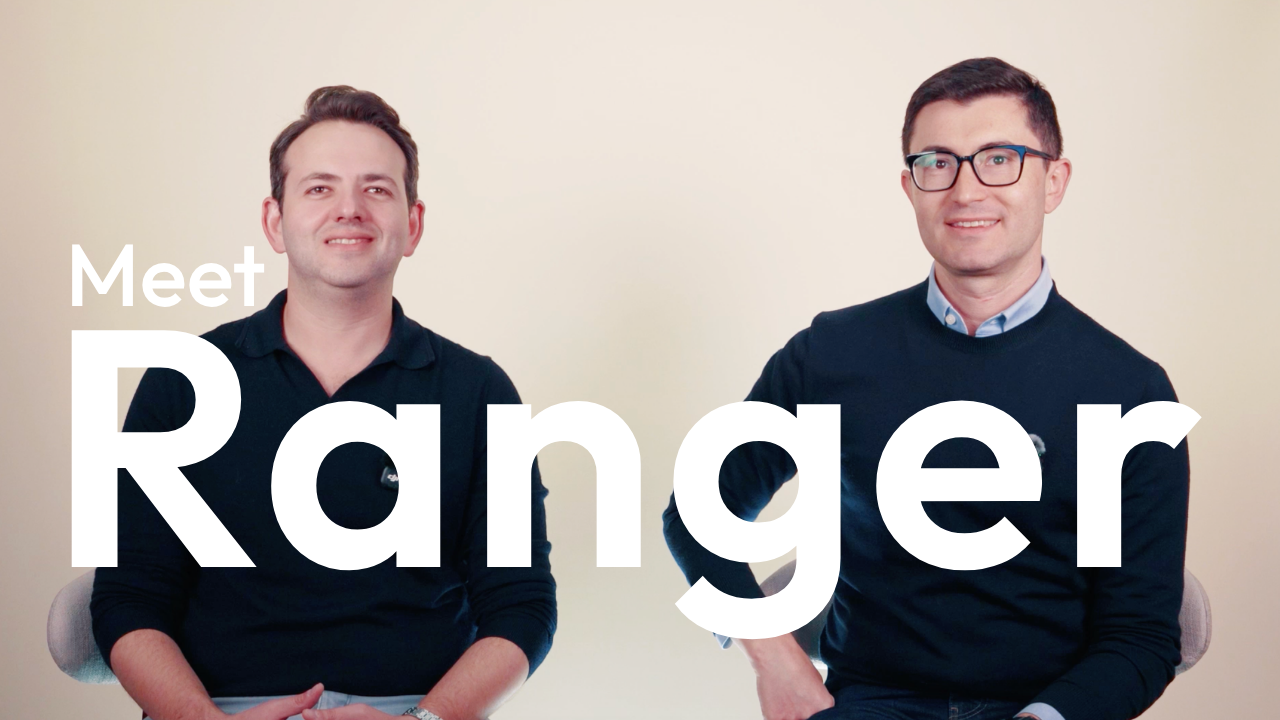
That is the lesson we keep relearning: with AI, you need a new platform to keep up with this type of change. That is why we can't wait to introduce you to Ranger, Levelpath's Autonomous Source-to-Pay platform.
So why rebuild?
Levelpath V1 was already one of the most AI-native platforms in procurement, running in some of the largest companies in the world: Ace, Western Union, Amgen, New York Life. Procurement and AI analysts at Gartner and IDC put us at the top. Our customers loved us. Most companies would ride that for years.
But every customer we have is trying to do the same thing: drastically increase throughput and coverage without adding headcount. They are all leaning on AI to push as much of source to pay as possible into running itself. Our three-year-old V1 stack, a baby in enterprise SaaS terms and ancient in this one, could not take them there.
.png)