


What is AI Third-Party Risk Management? AI Third-Party Risk Management (AI TPRM) uses artificial intelligence to continuously identify, assess, and mitigate supplier risk across the enterprise. Unlike traditional TPRM, which relies on periodic reviews, AI enables real-time monitoring, automated prioritization, and embedded risk workflows within procurement systems.
The New Reality of Third-Party Risk
Third-Party Risk is facing a new reality as external factors like global instability, changing regulatory landscapes, and unexpected disruptions scale and evolve.
Supplier ecosystems are now bigger and more interconnected. A single vendor can introduce cybersecurity exposure, regulatory liability, financial instability, or operational disruption. And those risks can change quickly, sometimes between review cycles.
Because of these changes, AI third-party risk management is moving from “nice to have” to necessary. Traditional approaches were designed for periodic due diligence, but the risk of today demands continuous visibility.
Factors driving the shift:
- Larger scale: more third parties with deeper access to systems and data.
- Deeper supply chain: more reliance on subcontractors and fourth parties.
- Expectation of speed: faster onboarding timelines under business pressure.
- Increased scrutiny: more regulatory focus and higher expectations for oversight.
The problem is not effort. It is timing. Many programs still depend on static questionnaires, manual follow-ups, and spreadsheet tracking. That creates a lag between when risk emerges and when the business sees it. AI TPRM can close this gap.
Governed AI Transforms Third-Party Risk Management
AI requires governance to strengthen risk management programs. Opaque scoring models, untraceable recommendations, and overreliance on automation without human oversight can weaken accountability. Enterprise procurement leaders need to understand how risk signals are generated, be able to reference the underlying data, and maintain human review over high-impact decisions.
When governance is built in, AI becomes a force multiplier.
AI third-party risk management strengthens enterprise procurement by:
- Surfacing anomalies across large supplier datasets in seconds.
- Highlighting inconsistencies in questionnaire responses.
- Turning unstructured disclosures into structured, trackable risk records.
- Automatically escalating risks based on severity and due dates.
Instead of reacting to incidents, teams gain earlier visibility. Instead of fragmented updates, stakeholders gain shared intelligence across functions. AI provides clarity, speed, and control.
A Practical Framework for Responsible AI in TPRM
Enterprise-grade AI third-party risk management rests on three core principles.
- Governance & Explainability
- Security and Access Control
- Workflow Integration
First, risk leaders must have clear governance of AI-driven insights. Every suggested risk, score, or escalation should be traceable. Activity logs and review histories create transparency. Humans always remain in the loop.
Second, role-based permissions, controlled visibility, and protection of confidential supplier relationships ensure AI operates within enterprise security standards.
Third, AI insights must convert into structured actions inside procurement processes. If risk intelligence lives in a disconnected dashboard, it slows the business down. When embedded into sourcing, onboarding, and supplier management workflows, AI strengthens execution.
These principles establish a framework for ensuring that AI TPRM is being responsibly managed. Most AI tools stop at analysis. Enterprise procurement needs action.
What AI Risk Management Looks Like with Levelpath
AI third-party risk management should not be a separate monitoring tool bolted onto procurement. It should be embedded directly into the way suppliers are sourced, onboarded, and managed.
Levelpath is an AI-native procurement platform. Risk intelligence is not layered on top of workflows, but rather built to operate inside them.
Instead of identifying risks in one system and managing suppliers in another, Levelpath connects AI-driven risk insights directly to supplier records, projects, questionnaires, and mitigation workflows. The result is more nimble procurement within days, stronger oversight within weeks, and complete clarity for every stakeholder involved.
The Benefits Levelpath Brings to Enterprise Risk Teams
With Levelpath, AI third-party risk management delivers:
- Structured, actionable risk records instead of static reports.
- Clear ownership and automated escalation of mitigation steps.
- Granular visibility across commercial entities and supplier tiers.
- Controlled handling of confidential supplier relationships.
- Cross-functional alignment across procurement, legal, IT, and finance.
This is not automation built just to increase efficiency. It provides operational intelligence embedded into procurement execution.
How It Works in Practice
AI Assistant for Risk Reviews
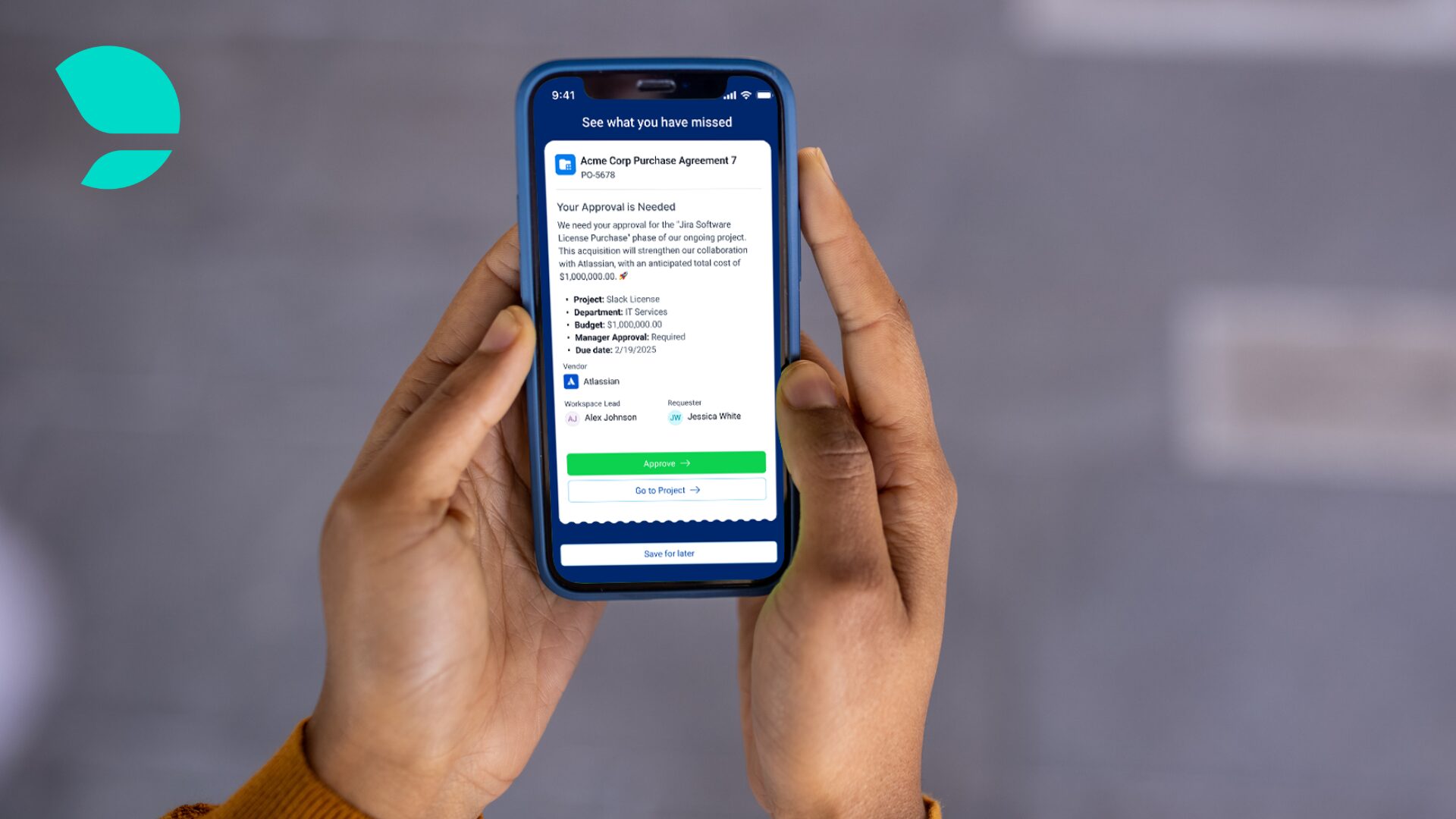
During supplier risk reviews, the AI Assistant can analyze questionnaire responses and suggest structured risk records as clickable cards. Reviewers can open a suggested card to generate a pre-filled risk record with key details such as risk name, type, score, owner, and description.
Risk Overview Dashboard With Personalized Widgets
The Risk module includes an Overview tab with configurable widgets showing owned risks, assigned actions, and key priorities. Teams can filter and rearrange views to match their workflow.
Confidential Supplier Reporting
Suppliers can be marked as confidential so that only designated administrators can view them. Confidential suppliers are hidden from searches, dashboards, and reports for other users.
Proactive Risk Status Tracking
Risk actions move automatically through statuses such as Scheduled, Needs Attention, and Overdue based on notifications and due dates.
Unified Risk Questionnaires Across Modules
Questionnaires connect Risk, Sourcing, Onboarding, and Performance data into a unified workflow. Information captured once can be leveraged across the supplier lifecycle.
Structured Risk Categorization and Segmentation
Standardized five-point risk scoring combined with Tier 1-4 supplier segmentation provides consistent classification. Risk labels appear clearly on supplier records and integrate into reporting and APIs.
Enhanced Risk Profiling by Commercial Entity
Risk tracking aligns with commercial entities, providing granular visibility across legal structures. This ensures risk oversight reflects actual business exposure.
With Levelpath, AI third-party risk management is not a reporting function. It is embedded intelligence that drives procurement action.
From Reactive Oversight to Predictive Risk Leadership
Third-party risk is accelerating. Supplier ecosystems are expanding. Regulatory expectations are increasing. Boards expect visibility, not just documentation.
AI third-party risk management allows enterprise procurement teams to move from reactive tracking to predictive intelligence. The organizations that combine governed AI with embedded workflows gain faster mitigation, stronger oversight, and clearer accountability across stakeholders.
Download the research to see how enterprise risk leaders are turning AI into a measurable competitive advantage: Why AI Is Risk Leaders’ Secret Weapon.
– Rose