Modern Procurement Has Changed the Industry
Procurement has not simply become faster or more automated. It has become more interconnected, visible, and strategic. Modern procurement operates earlier in the buying process and touches more stakeholders across the organization. Decisions now involve tradeoffs across cost, risk, compliance, and speed.
McKinsey’s article Procurement 2025: Reimagining the Function for Success, describes how the role of procurement leaders has been elevated to a more visible and impactful position across organizations, and how procurement teams are involved earlier in shaping business demands and supplier partnerships. The research also notes that the single biggest predictor of procurement outcomes is talent, emphasizing out the need for thoughtful skill building.
Procurement teams are expected to guide rather than gatekeep. They help the business navigate complexity instead of being pulled in after decisions are made. This shift raises the bar for procurement skills across sourcing, risk evaluation, stakeholder collaboration, and data interpretation.
The New Era of Procurement Transformation
Modern procurement emerged as new technology capabilities became possible at scale. These new tools reshaped how work is done and expanded the responsibilities of procurement teams.
Key capabilities that define modern procurement include:
- Intelligent intake and structured request workflows
- Workflow automation across approvals and controls
- AI-enabled sourcing and supplier evaluation
- Centralized contract and supplier data
- Embedded risk and compliance checks
- Real-time spend visibility and analytics
These capabilities moved procurement upstream into earlier decision-making. They reduced dependence on email, spreadsheets, and informal processes. They also introduced more information, more options, and more accountability at every stage of the procurement lifecycle.
As these capabilities expanded, procurement skills became essential. Technology can surface insights, but it cannot interpret tradeoffs, align decisions to business context, or guide stakeholders through ambiguity.
Why Procurement Skills Matter More Than Ever
Modern procurement tools amplify how people work. When procurement skills are strong, technology improves efficiency, consistency, and outcomes. When procurement skills are underdeveloped, even advanced platforms struggle to deliver value.
Strong procurement skills help teams engage earlier without slowing the business, reduce cycle times by routing work correctly the first time, minimize rework through consistent standards, use data to support sourcing and supplier decisions, and manage third-party risk proactively.
Deloitte’s Global Chief Procurement Officer Survey finds that organizations that pair advanced procurement technology with deliberate investment in talent and procurement skills consistently outperform their peers across cost savings, stakeholder satisfaction, and innovation. Deloitte defines these organizations as “Digital Masters”, emphasizing that technology alone does not create advantage without the skills to use it effectively.
Efficiency does not come from automation alone. It comes from capable users supported by systems that reinforce good habits and strengthen procurement skills over time.
Procurement Skills Extend Beyond the Procurement Team
One of the most significant changes in modern procurement is that procurement skills are no longer limited to the procurement team. Business stakeholders now interact directly with procurement platforms as part of their everyday work. Finance, legal, IT, security, and operations all play active roles in procurement decisions and workflows.
This shift makes shared skills essential. Stakeholders need to understand how to initiate requests, track progress, respond to questions, and move work forward without relying on procurement as an intermediary for every update. When this fluency is missing, adoption suffers, and teams fall back on email, spreadsheets, and manual status checks.
AI-native procurement platforms play an important role in addressing this challenge. By using automation and intelligence to keep requests up to date, route work correctly, and surface next steps, these platforms reduce the effort required from stakeholders while increasing transparency. Stakeholders remain informed with minimal manual work, which lowers friction and increases adoption. Procurement teams benefit from fewer interruptions, more consistent engagement, and better outcomes across the business.
Why Procurement Tools Fail Without User Readiness
Many procurement transformations stall after implementation. The software is deployed, but behaviors remain unchanged. This gap is rarely caused by missing features. It is almost always caused by insufficient readiness.
Procurement tools fail when users are unsure when or how to engage procurement, when platforms feel powerful but overwhelming, and when guidance varies across teams. Learning is often treated as optional rather than essential, which leaves users to figure things out on their own. In these environments, teams revert to familiar behaviors and workarounds, undermining the value of the platform.
McKinsey also signals that digital enablement and capability building are central to future procurement success; procurement functions are shifting toward automation of transactional work so teams can focus on strategic activities, which require different skills and readiness from users. Like other foundational business tools, procurement platforms deliver value only when users build fluency over time.
How Levelpath Helps Teams Build Procurement Skills
Levelpath is designed to help organizations build procurement skills through both the platform and the customer experience. Procurement fluency develops through guided workflows, hands-on use, and ongoing reinforcement. Levelpath supports all three.
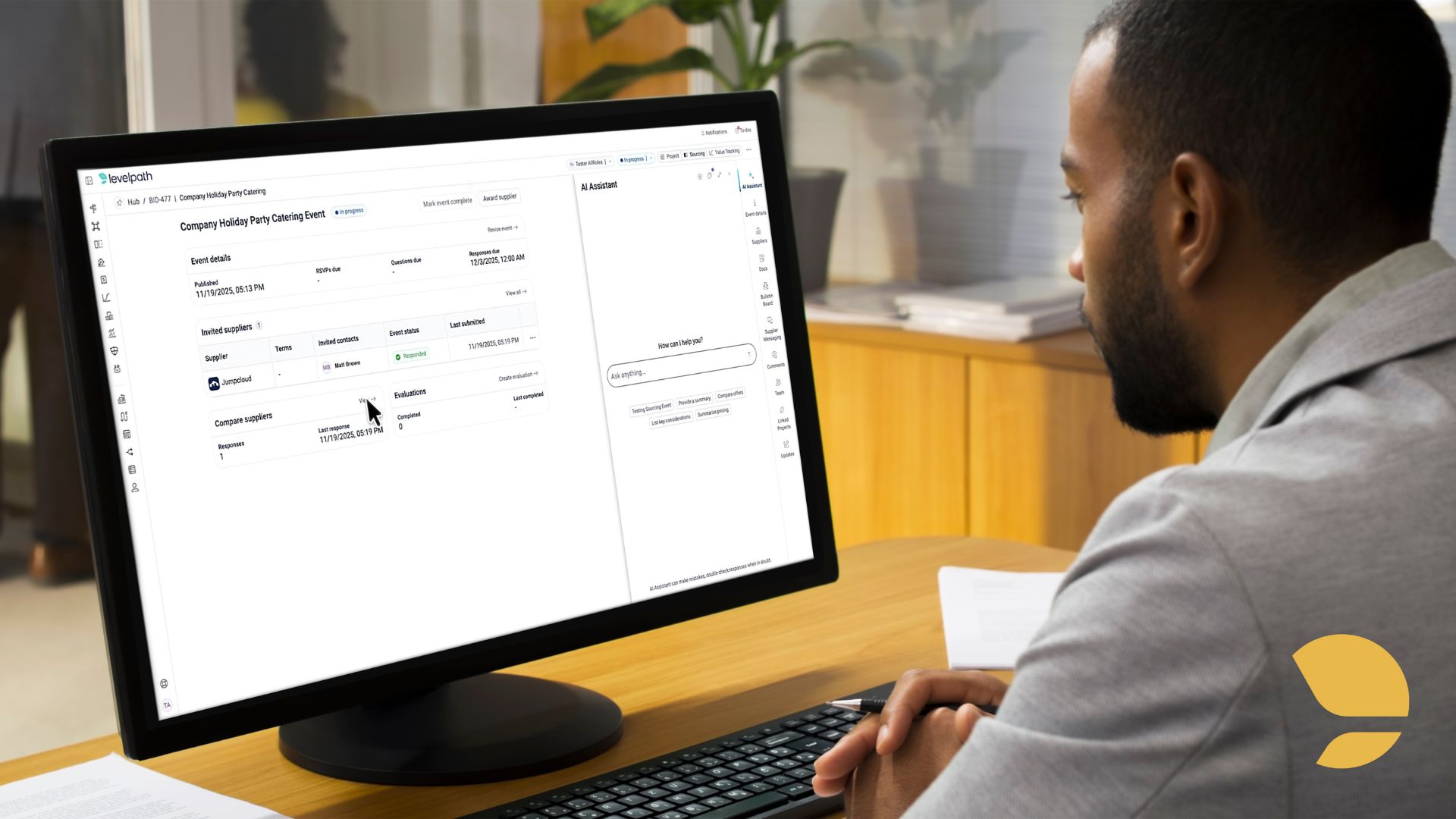
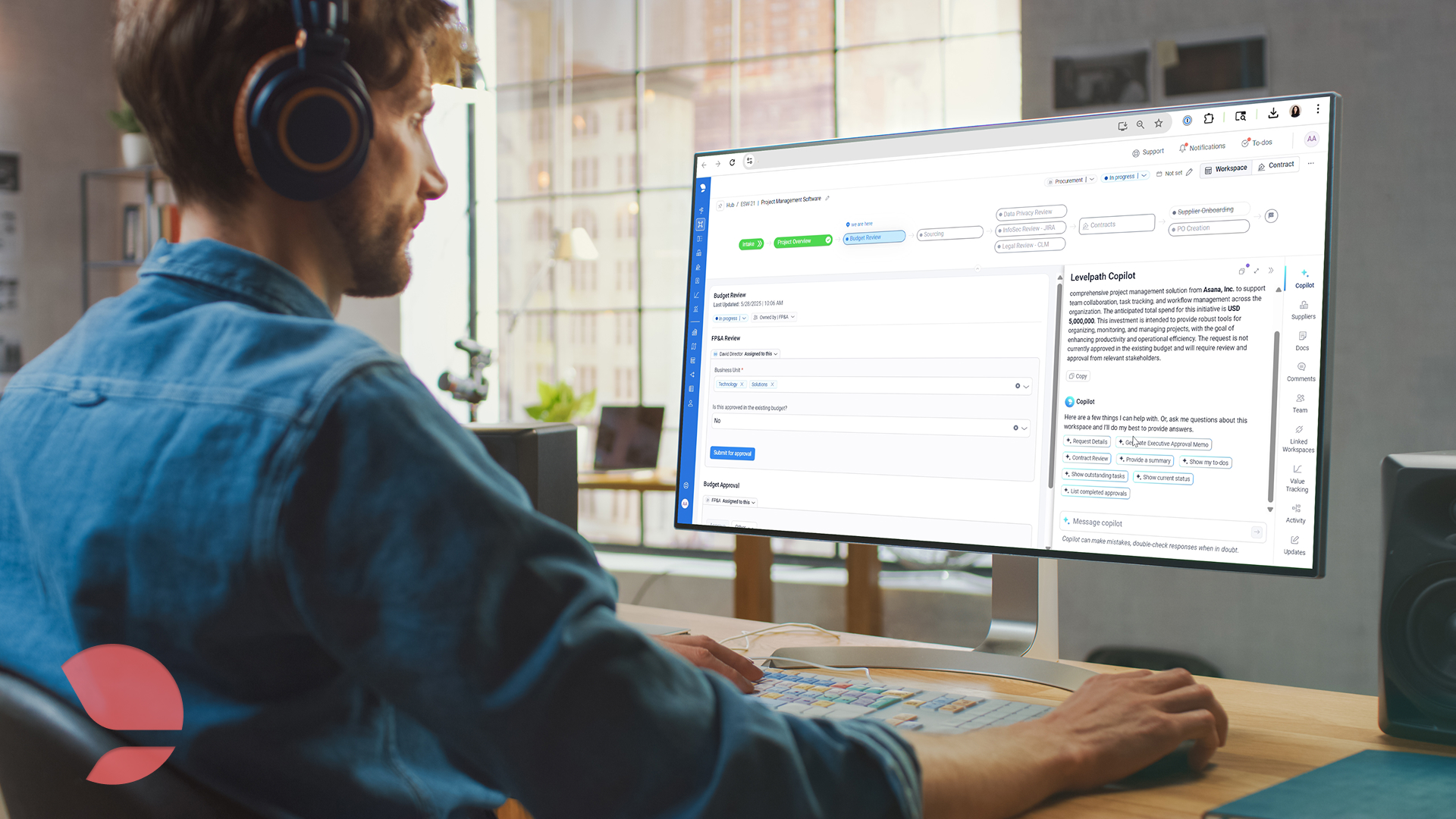
Intelligent intake guides users to the right process from the start. Structured workflows reinforce best practices across sourcing, approvals, risk, and spend orchestration. Embedded visibility helps users understand how decisions connect to the big picture, not just what steps to follow.
Levelpath supports procurement skill development through:
- Hands-on customer service and dedicated enablement teams
- Ongoing education and best practice guidance throughout the customer lifecycle
- In-person and virtual events where customers learn from Levelpath experts and peers
- A growing customer community that shares how modern procurement works in practice
This combination of product design, enablement, and community helps teams move beyond basic adoption. Organizations using Levelpath build shared understanding, stronger procurement habits, and durable procurement skills that scale with the business.
Procurement Transformation Is a Skill Shift
Procurement transformation is often framed as a technology initiative. In practice, it is a skill shift. Modern procurement succeeds when teams are equipped to think differently, collaborate effectively, and use powerful tools with confidence.
Both McKinsey and Deloitte research point to the same conclusion. Organizations that invest in procurement skills alongside technology consistently outperform those that focus on tools alone. Teams that treat procurement skills as a strategic asset and choose platforms designed to support learning as well as execution will flourish in this new era.
–Rose